Container Top Cover: Complete Guide to Protection, Durability, and Applications
In industries where goods, materials, and equipment are stored or transported in open containers, protection becomes a top priority. A Container Top Cover is an essential solution designed to safeguard contents from environmental damage, theft, and contamination. Whether used in construction, logistics, agriculture, or warehousing, these covers provide reliability and efficiency in protecting valuable assets.
What is a Container Top Cover?
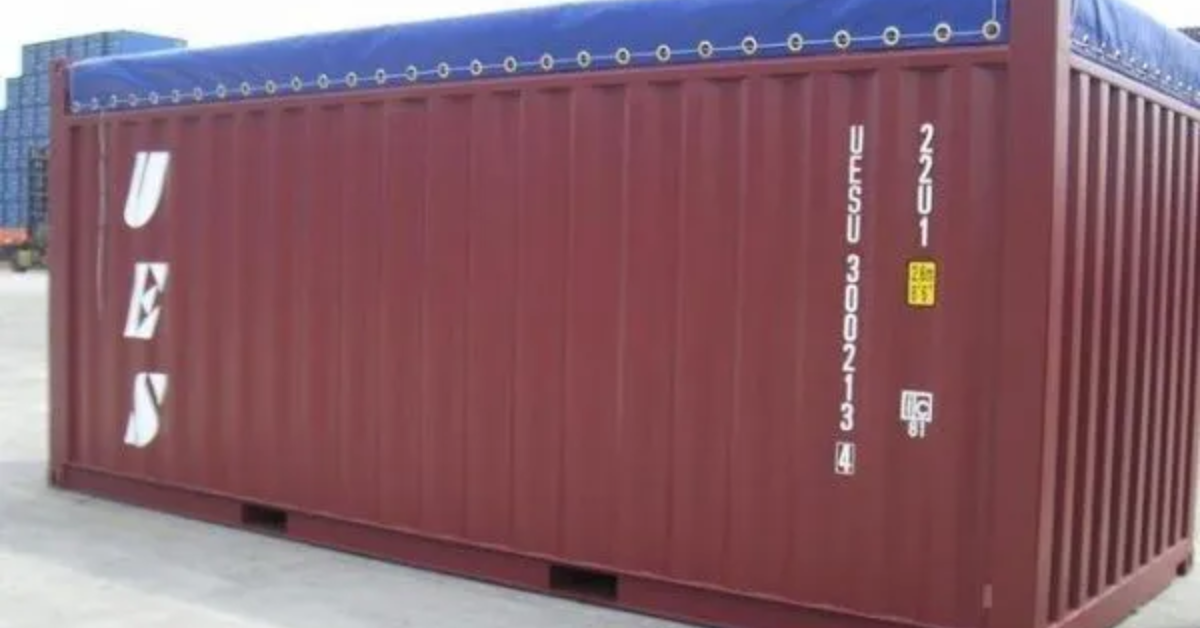
A container top cover is a durable sheet or structure used to cover the open top of containers. It acts as a protective barrier against external elements such as rain, sunlight, dust, and debris. These covers are typically made from high-quality materials like PVC, HDPE, or canvas, ensuring long-lasting performance even in harsh conditions.
The main purpose of a container top cover is to maintain the integrity of the materials inside the container. From construction aggregates to agricultural produce, these covers help preserve quality and prevent unnecessary losses.
Importance of Using a Container Top Cover
Using a container top cover is not just about covering goods—it’s about ensuring safety, compliance, and efficiency. One of the key advantages is protection from weather conditions. Heavy rainfall can damage materials, while excessive sunlight can degrade certain products. A reliable cover prevents such issues effectively.
Another important factor is contamination control. Dust, dirt, and pollutants can easily enter open containers, especially at construction sites or industrial zones. A container top cover ensures that the contents remain clean and usable.
Security is also a major concern. Covering containers helps deter theft and unauthorized access. In many industries, this added layer of protection is crucial for maintaining inventory safety.
Types of Container Top Covers
There are several types of container top cover options available, each designed for specific applications.
1. Tarpaulin Covers
These are the most commonly used covers. Made from waterproof and UV-resistant materials, tarpaulin covers are lightweight and easy to install. They are widely used in construction and transportation.
2. Mesh Covers
Mesh-based container top cover solutions are ideal when ventilation is required. These covers allow airflow while still preventing debris from entering the container.
3. PVC-Coated Covers
PVC-coated covers are known for their strength and durability. They offer excellent resistance to chemicals, water, and extreme weather, making them suitable for industrial use.
4. Retractable Covers
These advanced systems allow users to open and close the cover easily. A retractable container top cover is commonly used in logistics and waste management industries.
Materials Used in Container Top Covers
The effectiveness of a container top cover largely depends on the material used. High-quality materials ensure durability and long-term performance.
- PVC (Polyvinyl Chloride): Known for its waterproof and UV-resistant properties
- HDPE (High-Density Polyethylene): Lightweight yet strong, ideal for outdoor use
- Canvas: A traditional option offering moderate protection
- Polyester Fabric: Often coated for added strength and weather resistance
Each material has its own advantages, and the choice depends on the specific requirements of the application.
Applications of Container Top Cover
A container top cover is used across multiple industries due to its versatility.
Construction Industry
In construction, containers are used to store sand, gravel, and other materials. A cover prevents these materials from getting wet or contaminated, ensuring they remain usable.
Transportation and Logistics
Goods transported in open containers require protection during transit. A container top cover ensures safe delivery without damage from weather or road conditions.
Agriculture
Farmers use covers to protect crops, grains, and fertilizers stored in containers. This helps maintain quality and prevents spoilage.
Waste Management
Open waste containers can cause environmental hazards. Using a container top cover helps contain waste and reduces pollution.
Benefits of Using a Container Top Cover
There are numerous benefits to using a container top cover in various applications.
- Weather Protection: Shields contents from rain, sun, and wind
- Cost Efficiency: Reduces material loss and replacement costs
- Durability: High-quality covers last for years with minimal maintenance
- Easy Installation: Most covers are designed for quick setup
- Versatility: Suitable for multiple industries and uses
By investing in a reliable cover, businesses can significantly improve operational efficiency.
How to Choose the Right Container Top Cover
Selecting the right container top cover depends on several factors. First, consider the type of material you need to protect. Heavy materials may require stronger covers, while lightweight goods may only need basic protection.
Next, evaluate environmental conditions. If the container is exposed to harsh weather, a waterproof and UV-resistant cover is essential. For areas requiring ventilation, mesh covers may be a better option.
Size and fitting are also important. A properly fitted container top cover ensures maximum protection and prevents gaps where contaminants can enter.
Lastly, consider ease of use. Retractable or easy-to-install covers can save time and effort, especially in large-scale operations.
Maintenance Tips for Container Top Covers
To ensure long-lasting performance, proper maintenance of a container top cover is necessary.
- Clean the cover regularly to remove dust and debris
- Check for tears or damage and repair them promptly
- Store the cover properly when not in use
- Avoid overloading or placing sharp objects on the cover
Regular maintenance not only extends the lifespan of the cover but also ensures consistent protection.
Future Trends in Container Top Cover Solutions
With advancements in technology, container top cover solutions are becoming more innovative. Modern covers now come with enhanced features such as automated systems, improved materials, and better durability.
Eco-friendly materials are also gaining popularity as industries move toward sustainable practices. These covers are designed to provide the same level of protection while reducing environmental impact.
Smart covers with sensors and monitoring capabilities may also become common in the future, offering real-time tracking and improved security.
Conclusion
A container top cover is an essential tool for protecting materials, improving efficiency, and ensuring safety across various industries. From construction sites to agricultural fields, these covers play a crucial role in maintaining the quality and integrity of stored goods.
By choosing the right type, material, and design, businesses can maximize the benefits of using a container top cover. With proper maintenance and careful selection, these covers provide long-term value and reliable performance in all conditions.